Ways To Learn The Bible – Study Methods & Bible Learning Techniques That ACTUALLY Work
Have you ever tried to build a consistent habit to learn the Bible — only to give up a few weeks in because it started feeling like a chore?
You’re not alone, and here’s the thing most people never realize: there isn’t just one “right” way to study the Bible. There are dozens.
Some people thrive on reading straight through, cover to cover. Others need structure, like a devotional or workbook.
Some learn best through conversation in a small group, and others finally have Scripture stick using nothing more than a word search puzzle or a set of flashcards.
The method that felt boring or impossible for you might simply be the wrong fit — not proof that Bible study “isn’t for you.”
This list covers 38 different ways to learn the Bible, organized into six simple categories: reading-based methods, deeper study techniques, memorization tools, group and family learning, creative approaches, and structured curriculum.
Whether you’re brand new to Scripture or looking to refresh a habit that’s gone stale, you’ll find practical methods here that you can mix and match to best suit your learning style— plus a quick tip for actually starting each one today.
Save this post now, because chances are, your next favorite way to study the Bible is somewhere on this list.
Reading-Based Bible Study Methods
If you want to actually get through the Bible — not just dip in and out — these methods focus on covering ground, whether that’s the whole text cover to cover or a slow, prayerful pass through a single passage. They’re a great starting point if you’ve never had a consistent Bible reading habit before, since each one gives you a clear structure to follow rather than leaving you to figure out where to start on your own.
1. Cover-to-Cover Reading
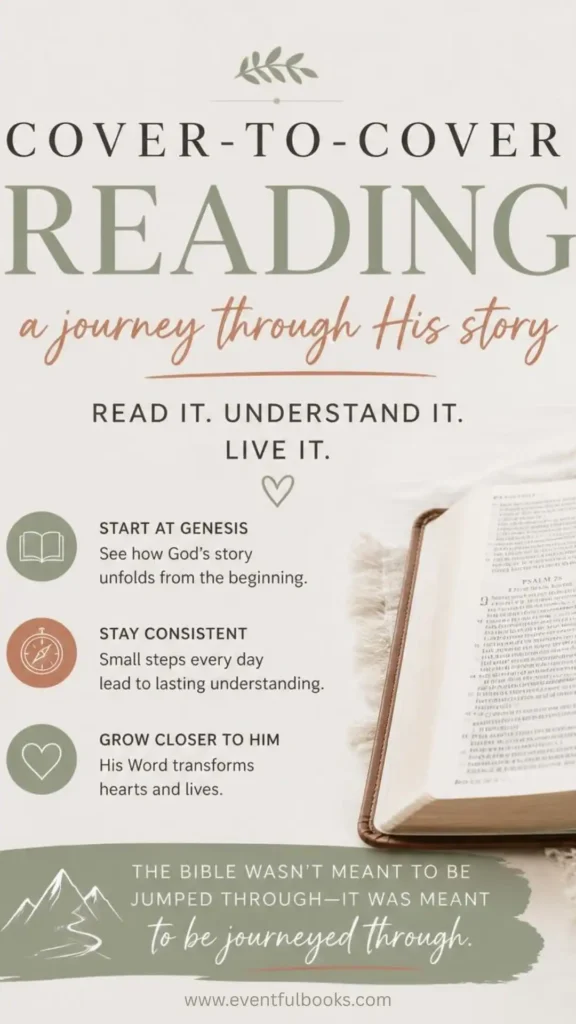
This is exactly what it sounds like — starting at Genesis and reading straight through to Revelation, in the order the Bible is printed.
It’s best for readers who want the full sweep of Scripture and don’t mind pushing through harder sections (looking at you, Leviticus) to get the complete picture.
Tip: pair it with a reading plan that breaks it into daily chunks, so a slow section in Numbers doesn’t stall your whole momentum.
2. Chronological Reading
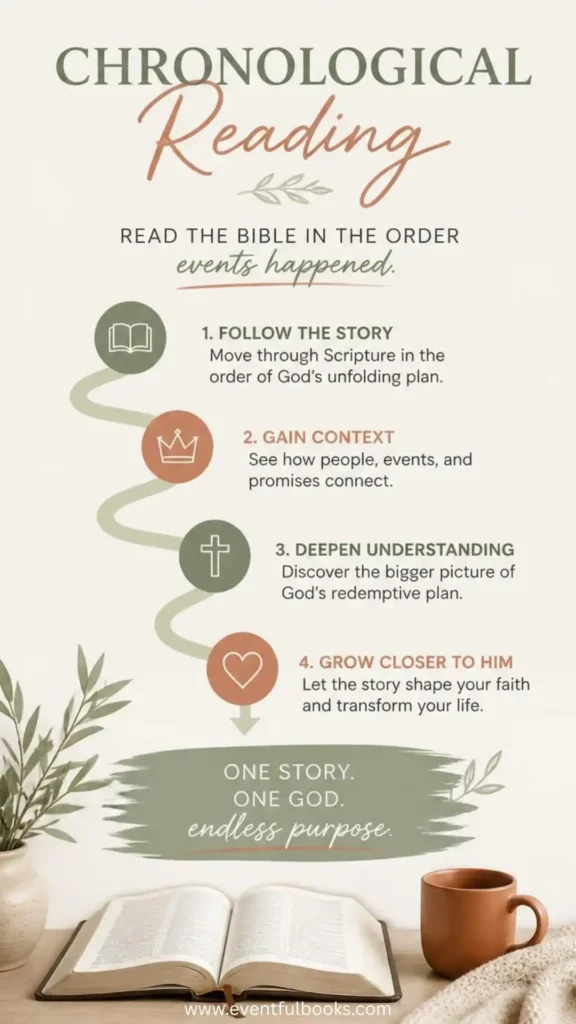
Rather than following the Bible’s printed order, chronological reading follows events in the order they actually happened historically.
This is ideal for readers who want to understand the “story” of Scripture as a timeline — how Israel’s history, the prophets, and the Gospels actually connect.
Tip: look for a chronological Bible or reading plan, since piecing this together verse-by-verse on your own is genuinely difficult.
3. Canonical Reading
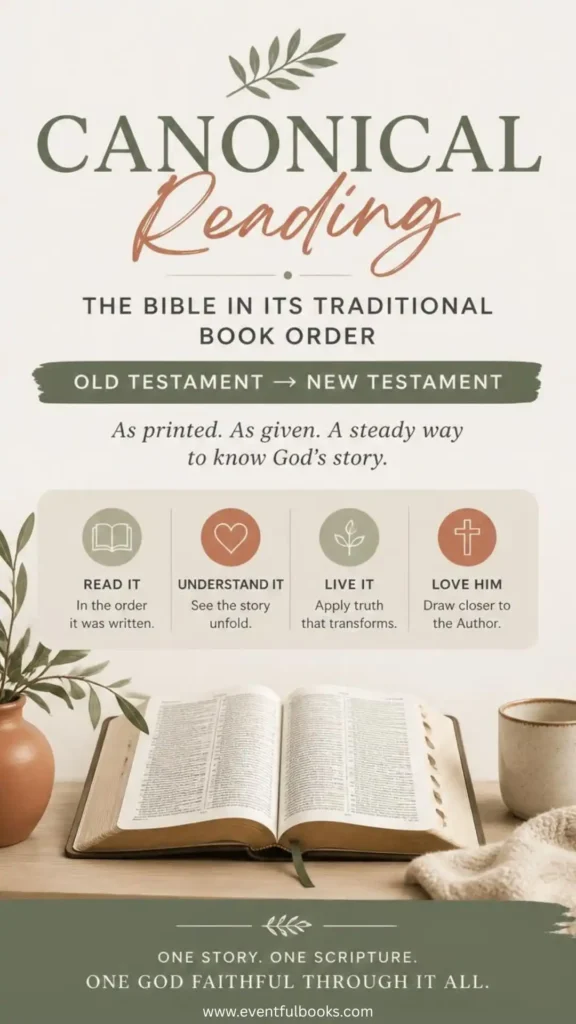
This simply means reading the Bible in its traditional book order — Old Testament through New Testament, as printed.
It’s a great starting point for beginners because most study Bibles, commentaries, and sermons are structured around this order, making it easy to follow along elsewhere.
Tip: if a book feels slow, it’s okay to read a companion devotional alongside it for context and encouragement.
4. Topical Study
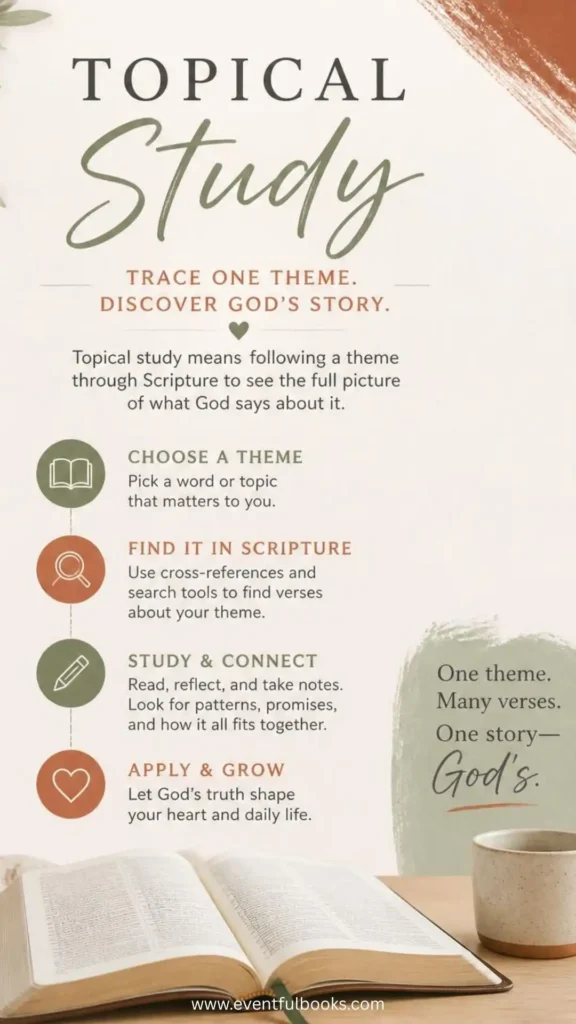
Instead of reading straight through, topical study means tracing one theme — like grace, forgiveness, or faith — across multiple books of the Bible.
This method is perfect for readers going through a specific season (grief, doubt, decision-making) and wanting Scripture’s full perspective on that one thing.
Tip: use a concordance or a Bible app’s search feature to find every verse related to your theme.
5. Book-by-Book Study
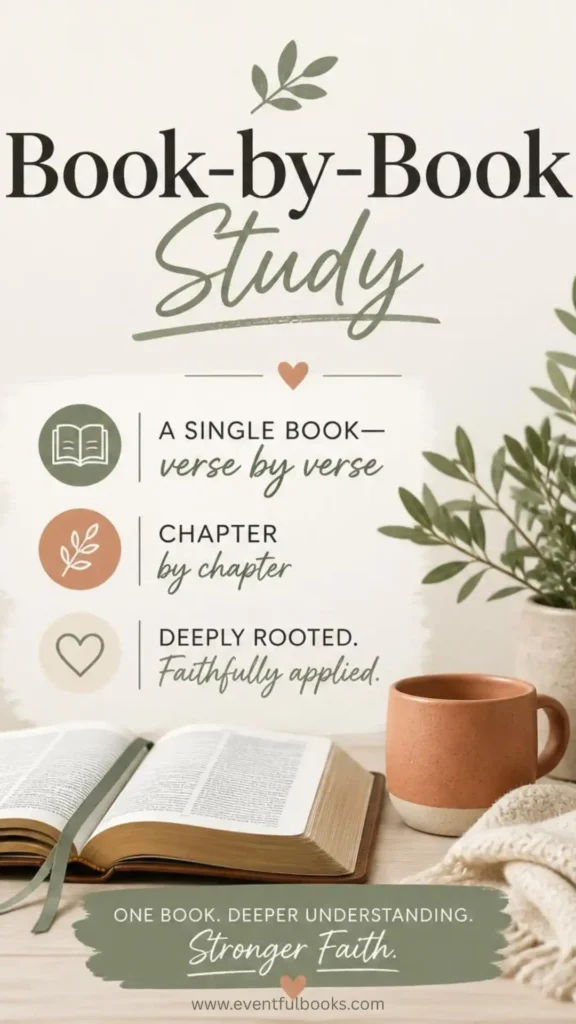
This method means slowing down to deeply study a single book — verse by verse, chapter by chapter — before moving to the next.
It suits readers who want depth over breadth, and it’s especially powerful for shorter New Testament letters like Philippians or James.
Tip: pair this with a commentary or our book by book study guides so you catch historical and cultural context you might otherwise miss.
6. One-Year Bible Reading Plans
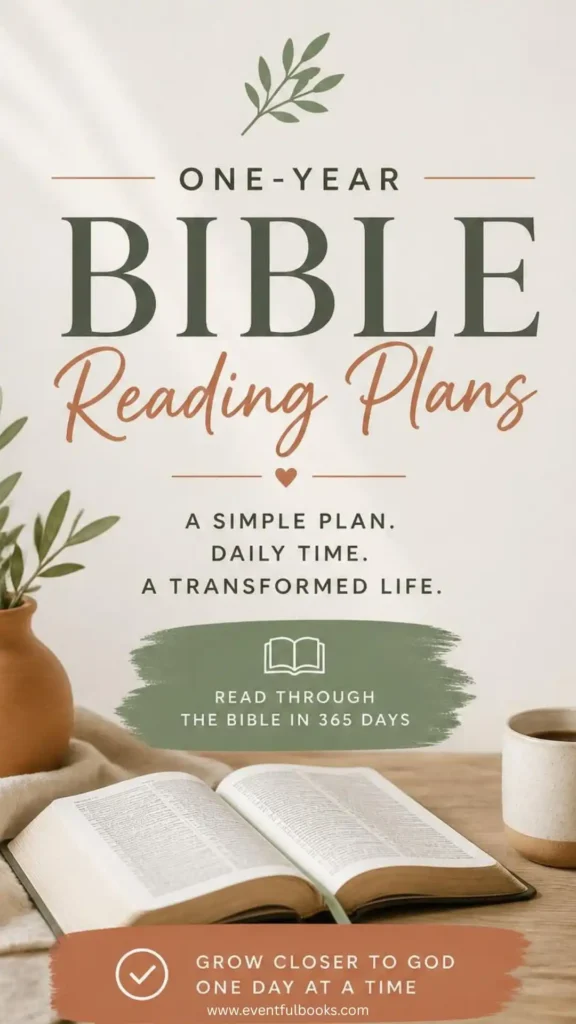
These are structured daily reading plans that break the entire Bible into small, manageable portions so you finish in exactly 365 days.
They’re ideal for readers who thrive on structure and accountability rather than open-ended reading.
Tip: choose a plan that mixes Old and New Testament daily (rather than reading straight through) — it keeps the momentum varied and easier to stick with.
7. Lectio Divina
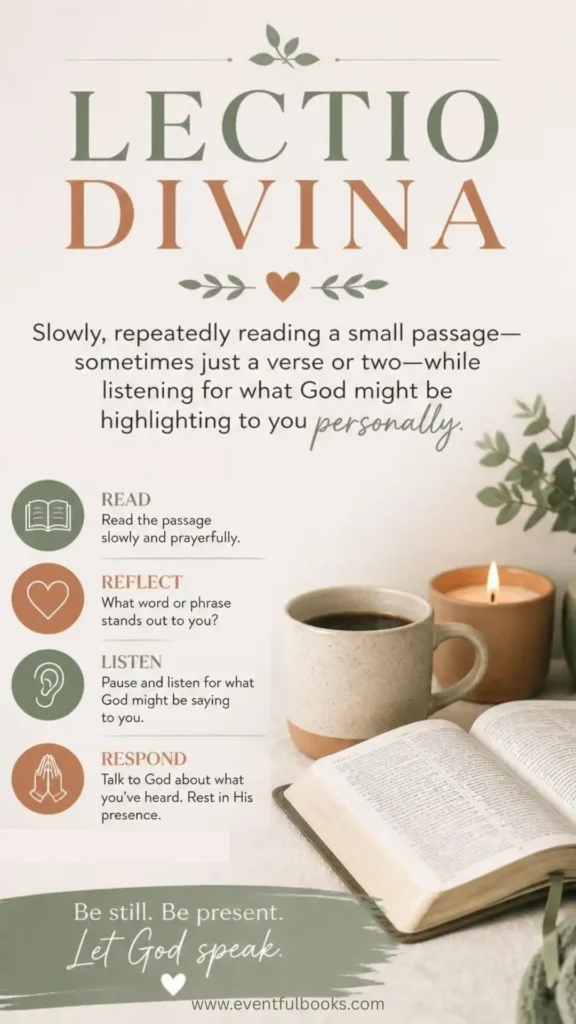
An ancient monastic practice, Lectio Divina means slowly, repeatedly reading a small passage — sometimes just a verse or two — while listening for what God might be highlighting to you personally. Check out our full article on Lectio Divina here.
It’s best for readers who want depth and stillness over covering lots of ground, especially during prayer or quiet time.
Tip: choose a single Psalm, read it four times slowly, and pause after each reading to simply notice what word or phrase stands out.
8. Verse-of-the-Day Reading
This method focuses on just one verse a day rather than a full chapter or passage, making it the lowest-barrier way to build a consistent Bible habit.
It’s perfect for extremely busy seasons, beginners easing into daily Scripture reading, or anyone rebuilding a habit after falling out of practice.
Tip: write the verse somewhere you’ll see it repeatedly through the day — your phone lock screen, a sticky note, or a verse card — so it has a chance to actually sink in.
Bible Study-Based Methods
Once you’re comfortable reading Scripture, these methods help you go deeper into what it actually means — digging into original language, historical background, and how different passages connect to one another. They’re best suited for readers who’ve moved past “just reading” and want to genuinely understand the text, not just move through it.
9. Inductive Bible Study
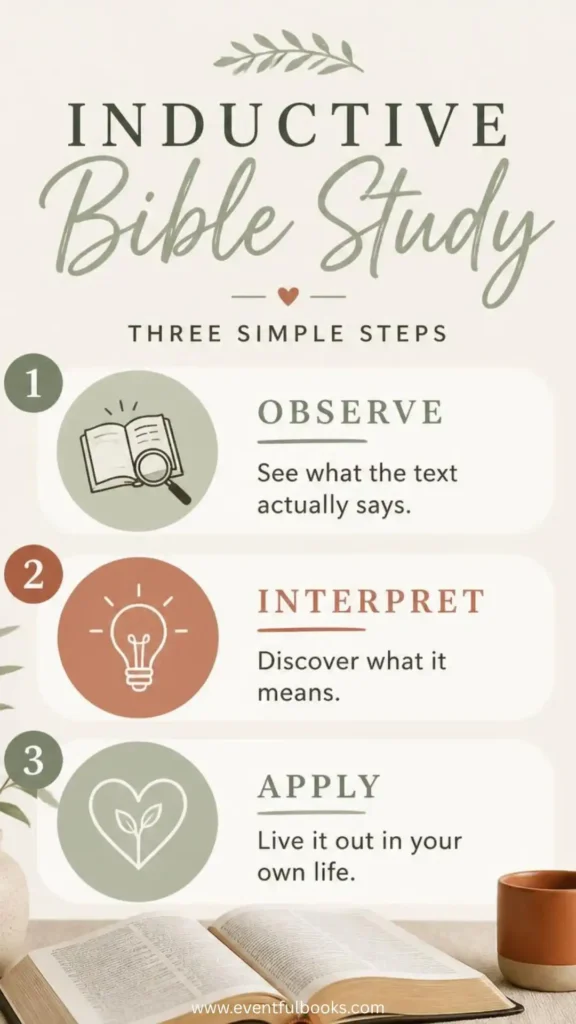
Inductive study follows four simple steps: read the original scripture, understand what the text actually says, interpret what it means, and apply it to your own life.
It’s ideal for readers who want a more analytical, hands-on approach rather than passive reading. Our bible study guides use this method to give you a daily learning structure without feeling overwhelmed by the whole bible.
Tip: before looking up any commentary, spend five minutes just listing everything you notice in the passage — repeated words, contrasts, questions — before moving to interpretation.
10. Word Studies
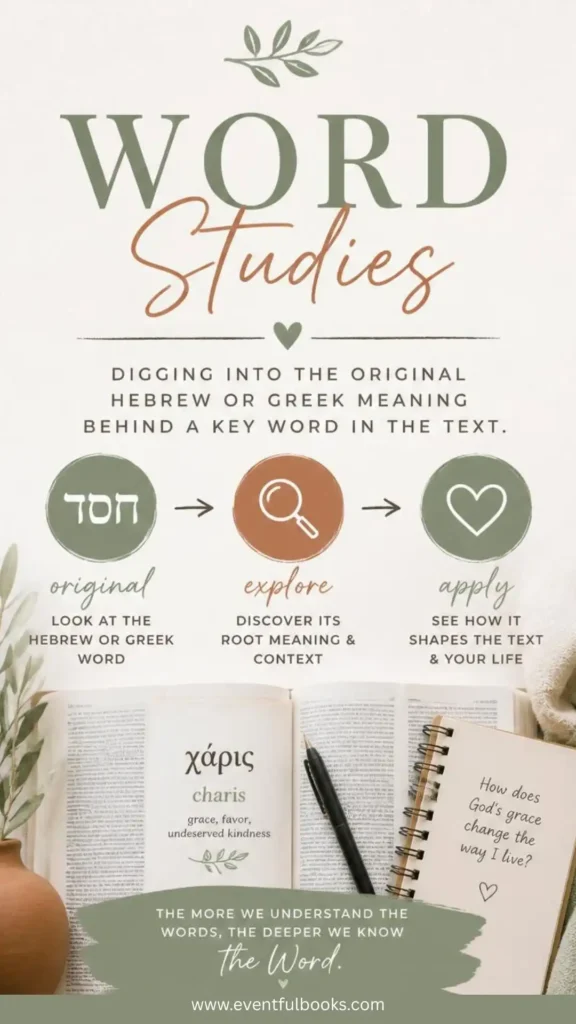
This method means digging into the original Hebrew or Greek meaning behind a key word in the text, since translation can sometimes flatten out richer or multiple meanings.
It’s a great fit for readers who love detail and want to understand why a specific word was chosen by the biblical author.
Tip: free tools like Blue Letter Bible or the Strong’s Concordance let you look up the original word behind any English verse in seconds.
11. Cross-Referencing
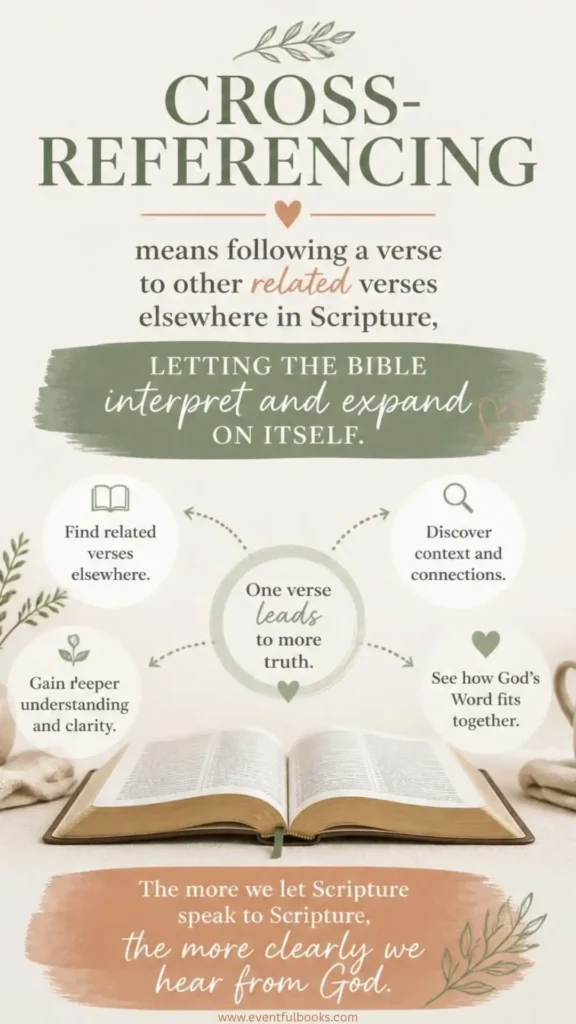
Cross-referencing means following a verse to other related verses elsewhere in Scripture, letting the Bible interpret and expand on itself.
This suits readers who want to see the full biblical picture on an idea rather than relying on a single verse in isolation.
Tip: most study Bibles include a cross-reference column in the margin — start there before searching further afield.
12. Commentary Study
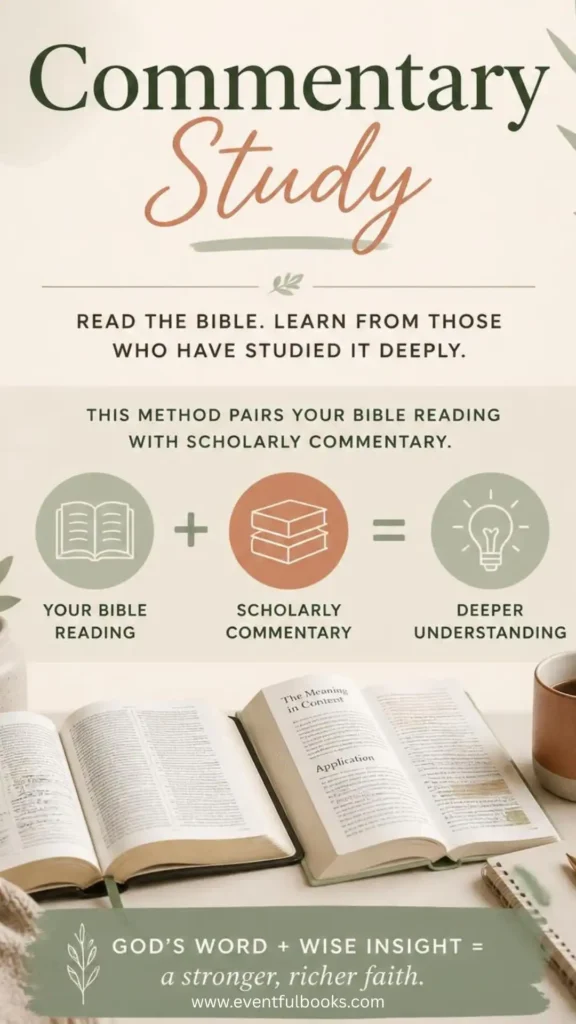
This method pairs your Bible reading with scholarly commentary — notes written by theologians and pastors explaining historical background, language, and interpretation.
It’s especially helpful for readers tackling harder or more confusing passages, like prophetic books or Paul’s letters.
Tip: read the passage yourself first and form your own initial thoughts before turning to the commentary, so you’re engaging with the text rather than only absorbing someone else’s conclusions.
13. Character Studies
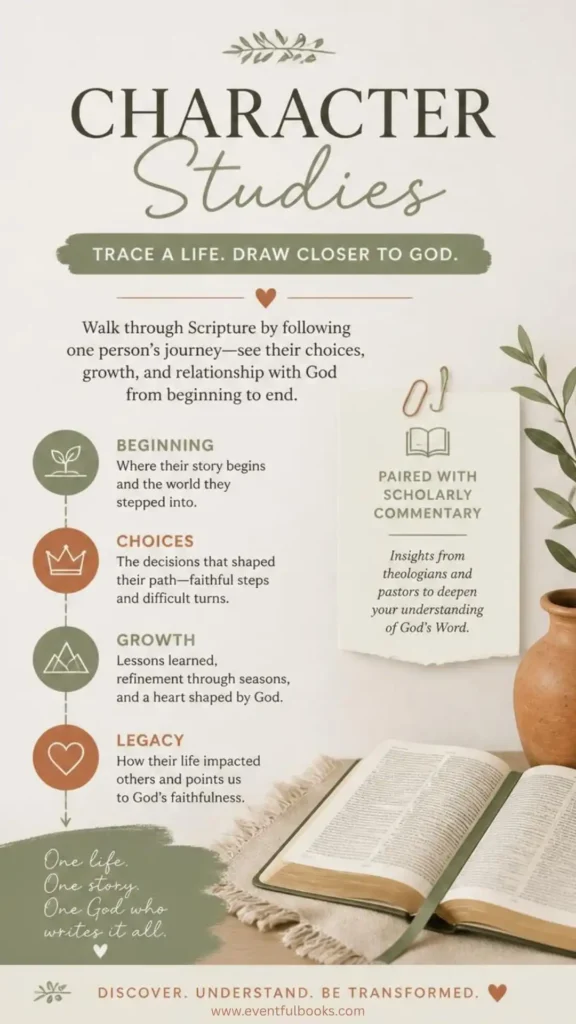
Character studies trace a single person’s story through Scripture — like David, Ruth, or Paul — following their choices, growth, and relationship with God from beginning to end.
This method works well for readers who connect more with narrative and personal example than abstract concepts.
Tip: keep a simple timeline as you read, noting key turning points in the person’s story and what you learn from each one.
14. Parable Studies
This method focuses specifically on Jesus’s parables — his short, story-based teachings — and unpacking the deeper meaning behind the everyday images he used, like seeds, coins, and vineyards.
It’s a great entry point for readers who find story easier to engage with than direct teaching or doctrine.
Tip: for each parable, ask who the original audience would have been and what point Jesus was making to them specifically before applying it to yourself.
15. Historical and Cultural Context Study
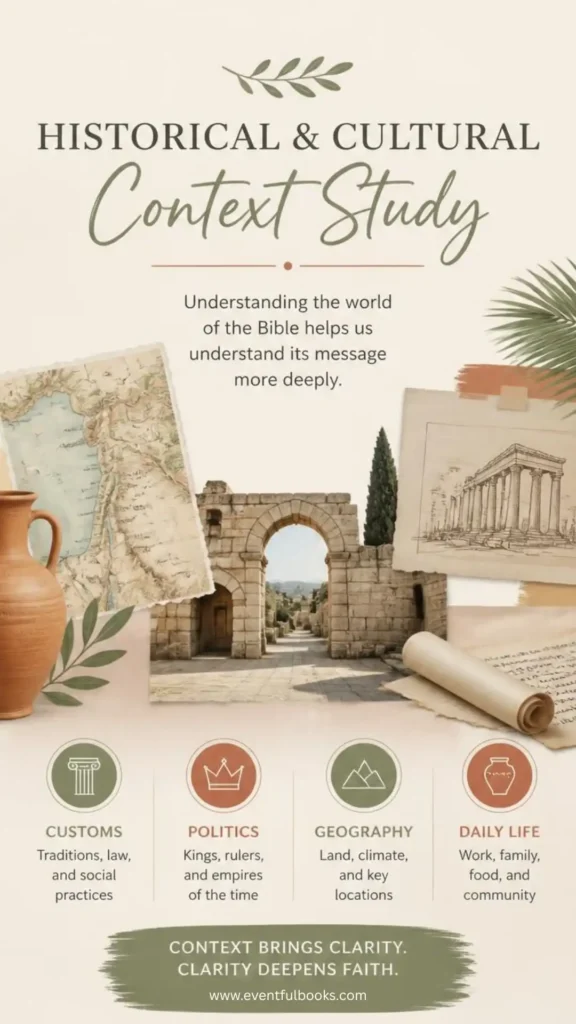
This method means learning about the world the Bible was written in — the customs, politics, geography, and daily life of the time — so you can understand passages the way their original audience would have.
It’s especially valuable for readers who want to avoid misreading ancient texts through a purely modern lens.
Tip: a good study Bible or Bible atlas is often enough to get meaningful context without needing a full seminary-level resource.
Bible Memorization & Retention
These methods are all about making Scripture stick — not just understanding a passage in the moment, but carrying it with you long after you’ve closed your Bible. Whether you’re a puzzle lover, a handwriting person, or someone who learns best through music, this section has a method built for how your memory actually works.
16. Scripture Memorization
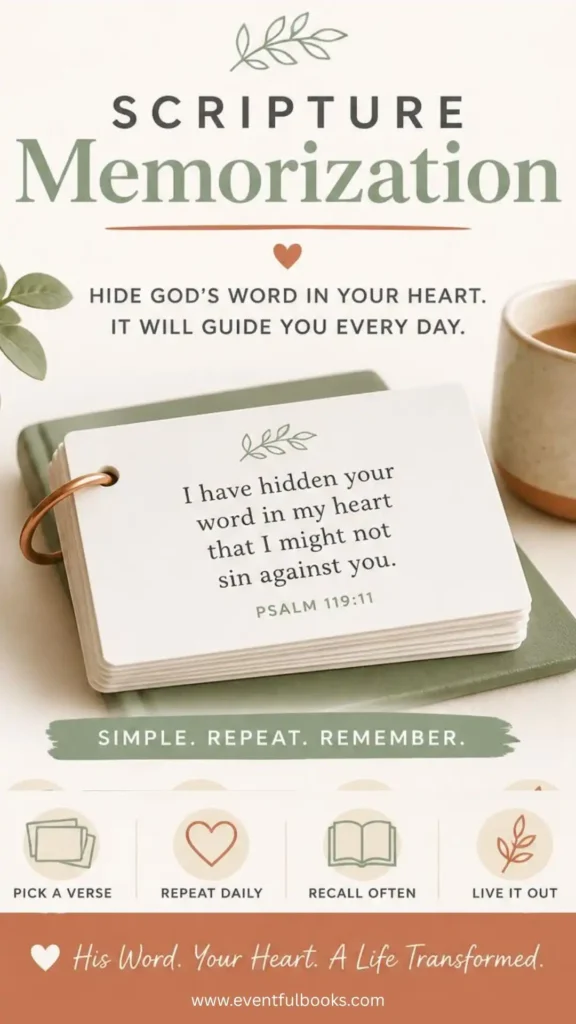
This is the classic approach — memorizing verses word-for-word using verse cards, apps, or simple repetition drills until they stick.
It’s best for readers who want Scripture readily available in their mind during moments of stress, decision-making, or temptation, without needing to open a Bible.
Tip: start with shorter, high-impact verses and review them daily for a week before adding a new one, rather than trying to memorize several at once.
17. Copying or Handwriting Scripture
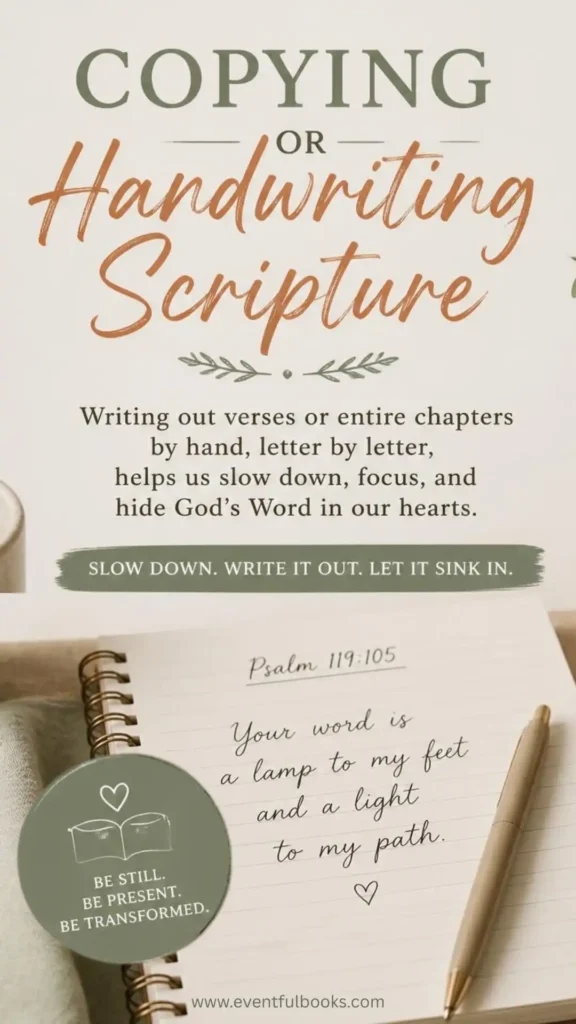
This method simply means writing out verses or entire chapters by hand, letter by letter, rather than just reading them.
Studies on handwriting consistently show it improves retention compared to typing or reading alone, making this ideal for readers who want deeper engagement without extra tools.
Tip: keep a dedicated notebook for this so you can look back and see your progress — and reread — over time.
18. Bible Puzzles and Word Searches
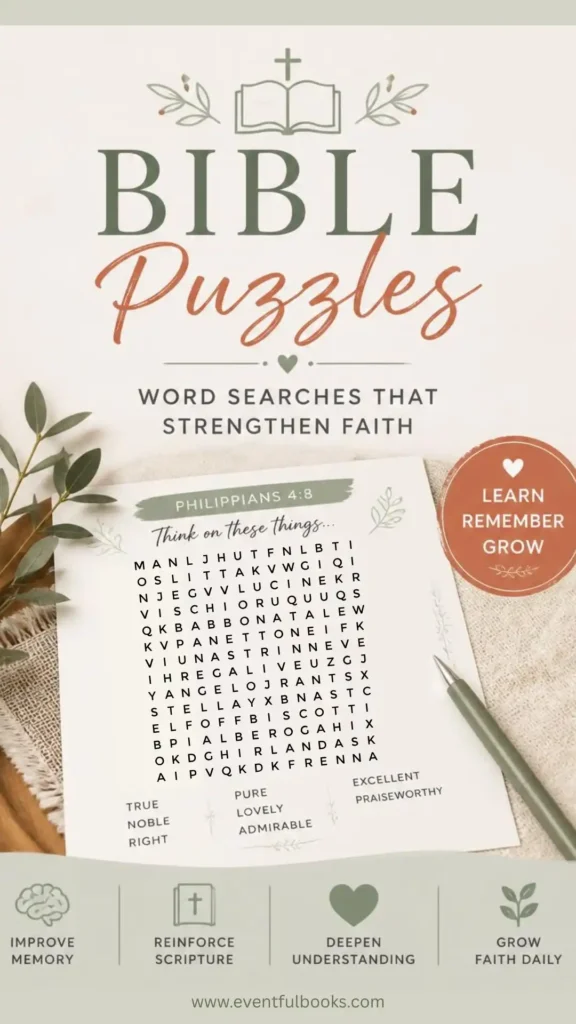
This method uses word searches and similar puzzles to reinforce key names, places, and themes from a passage through pattern recognition and active recall.
It’s a great fit for visual and hands-on learners, as well as anyone who wants Scripture engagement to feel relaxing rather than academic.
Tip: check out our devotional-style puzzle books that pairs each puzzle with the actual verse, reflection and prayer so the words you’re finding are tied to real meaning rather than random trivia.
19. Bible Crosswords
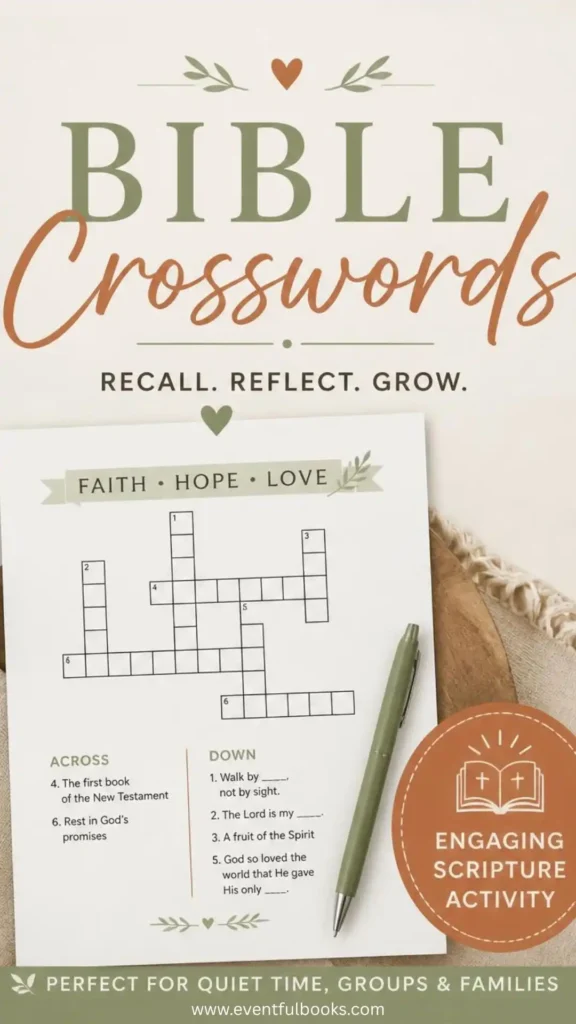
Similar to word searches but more active, crosswords require you to recall a word based on a clue rather than simply locating it in a grid — adding a helpful layer of retrieval practice.
This suits readers who enjoy a bit more challenge and want puzzles that test memory, not just pattern-spotting.
Tip: check out our devotional-style crossword books where you can solve puzzles alongside a passage, then check your answers against the text — the small struggle to recall actually strengthens memory more than looking it up right away.
20. Flashcard Apps
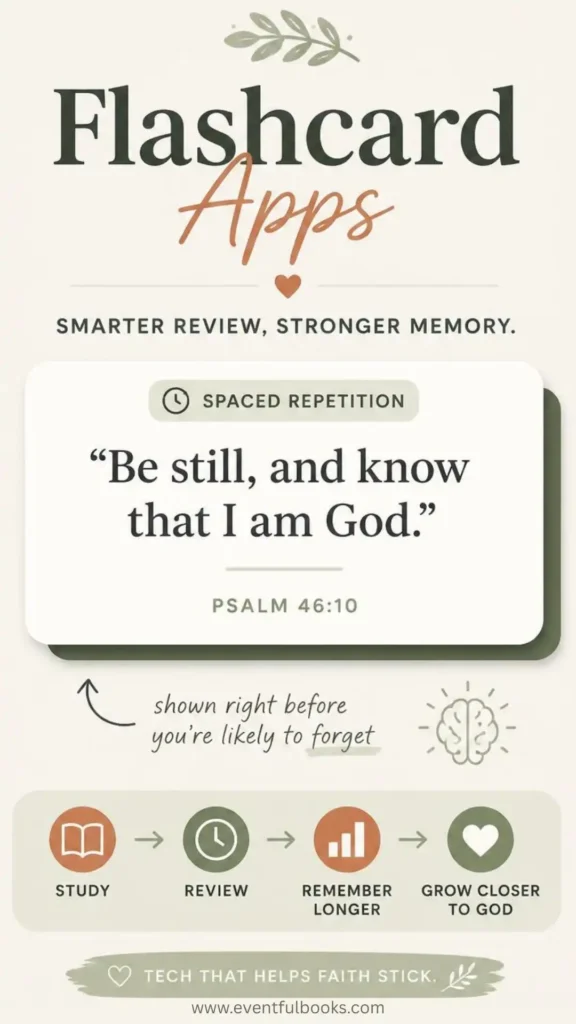
Digital flashcard tools like Anki use spaced repetition — showing you a verse right before you’re likely to forget it — to lock information into long-term memory far more efficiently than simple repetition.
This method is ideal for readers who love data, streaks, and tracking measurable progress over time.
Tip: keep your cards short — one verse per card — and review for just five minutes a day rather than long, infrequent sessions.
21. Singing Scripture
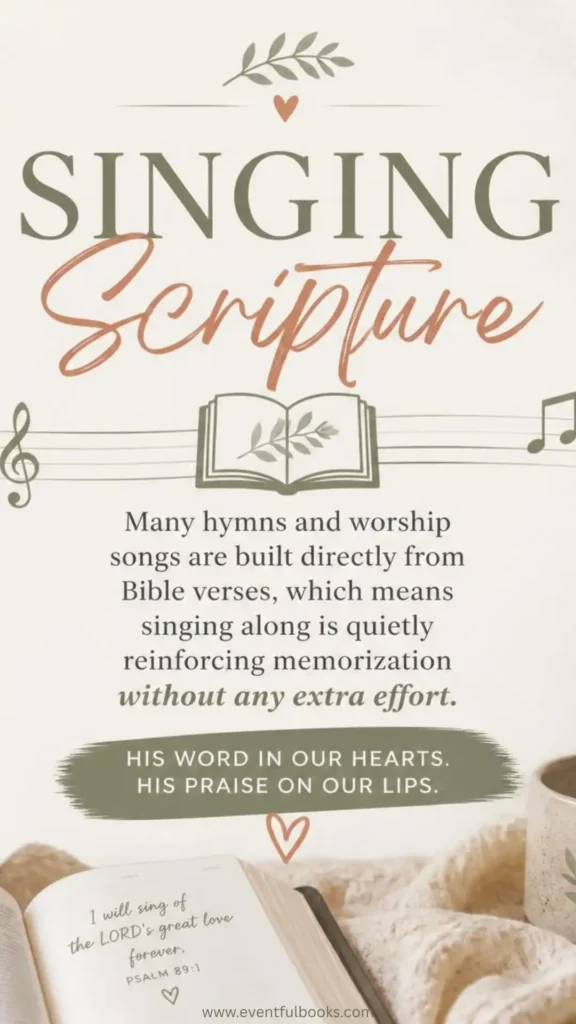
Many hymns and worship songs are built directly from Bible verses, which means singing along is quietly reinforcing memorization without any extra effort.
This method works especially well for auditory learners and anyone who already spends time listening to worship music throughout the week.
Tip: look up the specific verse behind a favorite worship song — you’ll often be surprised how closely, and sometimes word-for-word, it follows Scripture.
22. Acronyms and First-Letter Tricks
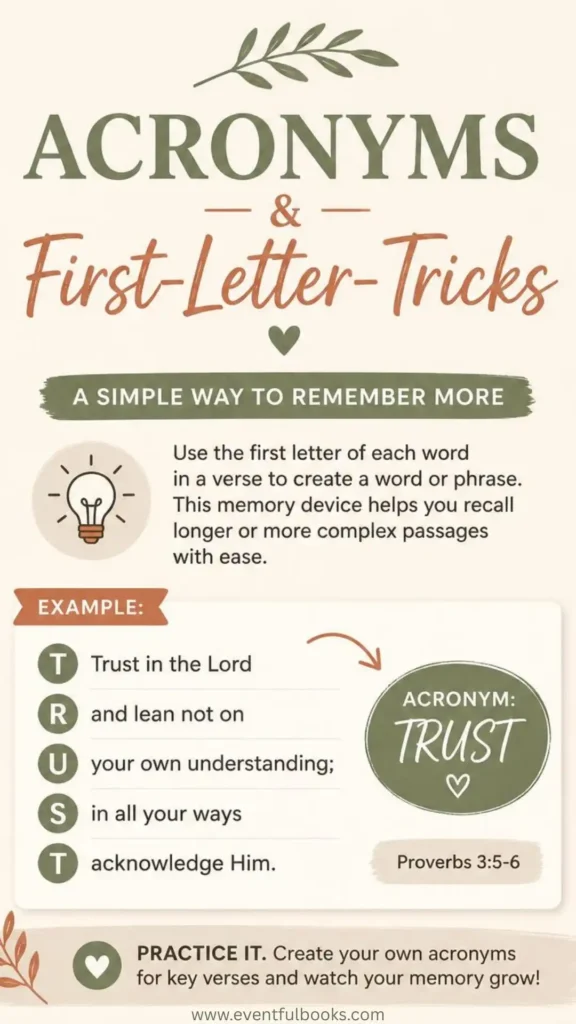
This method uses memory devices — like taking the first letter of each word in a verse — to help recall longer or more complex passages.
It’s particularly useful for readers memorizing longer chunks of Scripture, like a full Psalm or the Lord’s Prayer, where straight repetition alone can feel overwhelming.
Tip: write just the first letters of each word on a card first, and try to recite the full verse using only those letters as prompts.
Bible Group & Relational Learning
The Bible was never meant to be studied entirely alone, and these methods bring other people into your learning — whether that’s a small group, a mentor, or even your own family around the dinner table. They’re especially valuable if you learn best through conversation, or if you’ve found solo study hard to stick with on your own.
23. Small Group Bible Study
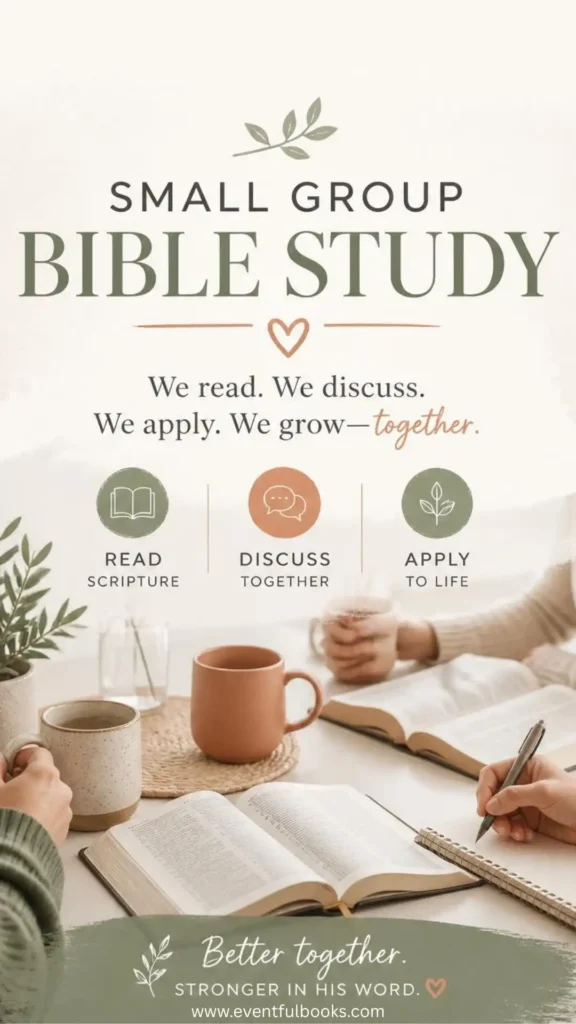
Small group study means gathering with a handful of other believers to read, discuss, and apply Scripture together, usually on a weekly rhythm.
It’s ideal for readers who learn best through conversation and want the accountability and encouragement that comes from studying alongside others.
Tip: if you’re part of a small group, it can be challenging to think of questions and topics to talk about each week, that’s why we created a book by book bible study guide series that asks two practical questions based on the themes of the passage to help you learn how to apply the lessons of the bible to your own life.
24. Sunday School and Bible Classes
These are structured, teacher-led classes — often organized by age group or topic — that walk through Scripture in a more formal, curriculum-based setting.
This method suits readers who prefer a guided teaching structure over self-directed study, and it’s especially valuable for children and new believers building foundational knowledge.
Tip: if you’re an adult returning to this format, look for a class specifically built around a book study or theological topic rather than a general survey, so you’re learning at the right depth for where you are.
25. Discipleship and Mentorship
This is one-on-one study with a more experienced mentor who guides your reading, answers questions, and helps you apply Scripture to real, personal circumstances.
It’s best suited for readers who want a more personal, tailored approach than a group setting can offer, especially during major life seasons or decisions.
Tip: if you don’t already have a mentor, ask your pastor or church leadership for a recommendation — most churches have people specifically eager to disciple others one-on-one.
26. Family Devotions
Family devotions mean setting aside regular time — often just 10-15 minutes — to read Scripture and discuss it together as a household, including with children.
This method works well for parents wanting to build a shared spiritual rhythm and language at home, even amid busy schedules.
Tip: keep it short and consistent rather than long and occasional — a five-minute daily habit will shape a family far more than an ambitious hour-long session that happens once a month.
27. Podcasts and Sermons
This method means learning through audio teaching — sermons, Bible podcasts, or teaching series from pastors and scholars — rather than reading text yourself.
It’s perfect for busy readers who want to absorb Scripture during a commute, workout, or household chores.
Tip: keep a notes app open while you listen so you can jot down one key takeaway per episode — otherwise it’s easy for audio content to go in one ear and out the other.
28. Bible Study Apps with Community Forums
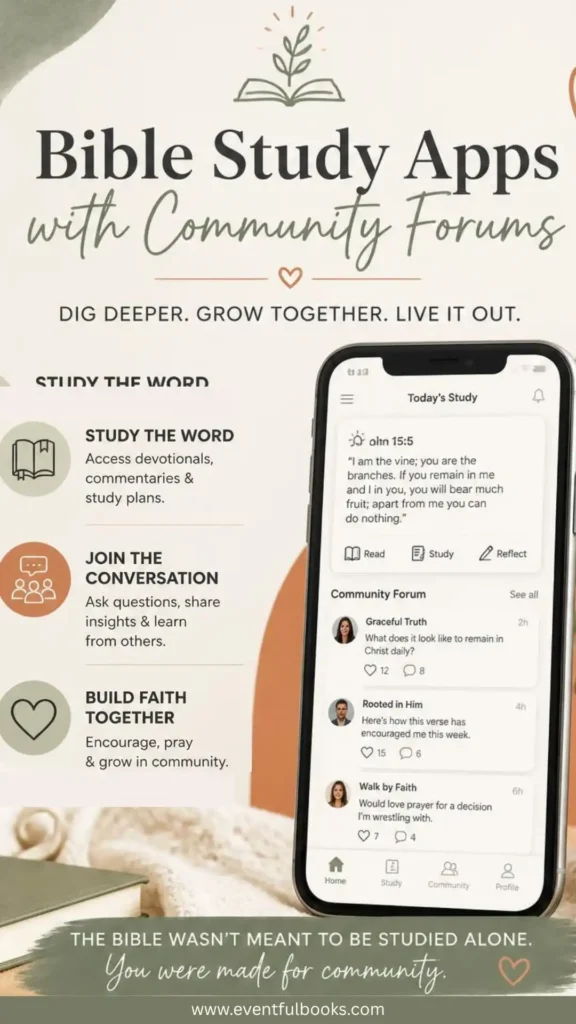
Apps like YouVersion combine daily reading plans with built-in discussion threads, letting you study individually while still connecting with friends or a wider online community.
This method suits readers who want structure and flexibility together — studying on their own schedule while still having built-in accountability.
Tip: invite a friend or family member to go through the same reading plan with you, even at a distance, so you have someone to compare notes with along the way.
Creative & Sensory Bible Study Methods
If reading text alone has never quite worked for you, these methods engage the Bible through drawing, writing, listening, movement, and even mapmaking. They’re a great fit for visual, auditory, or hands-on learners who want Scripture study to feel less like a textbook and more like a genuine creative practice.
29. Bible Journaling
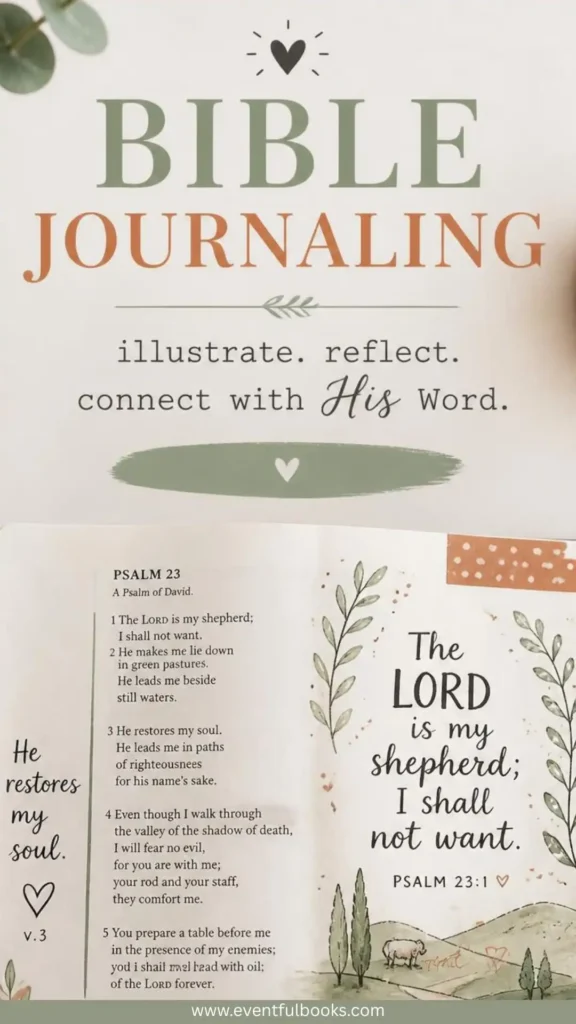
Bible journaling means illustrating, highlighting, or annotating directly in the margins of your Bible as you read — drawing images, writing reflections, or marking meaningful verses.
It’s a wonderful fit for creative and visual learners who want their Bible to become a personal, evolving record of their faith journey. If you’re interested in this method of learning the Bible, then check out our guide on how to start a bible journal.
Tip: start small with a single colored pen for underlining, rather than feeling like you need full illustrations right away — the habit matters more than the artistry.
30. Prayer Journaling Alongside Scripture
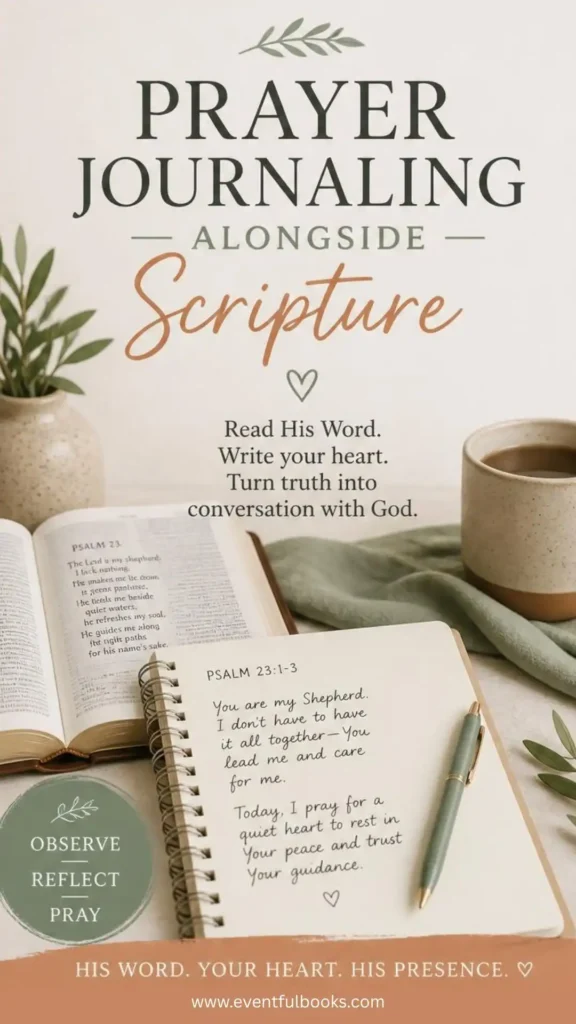
This method pairs your Bible reading with a journal where you write out personal, honest responses to what you’ve just read — turning observation into conversation with God.
It’s especially valuable for readers who process their thoughts and emotions best through writing rather than silent reflection.
Tip: end each entry with a specific one-line prayer based on the passage, so you’re not just reflecting but actually responding to God directly.
31. Audio Bible and Listening
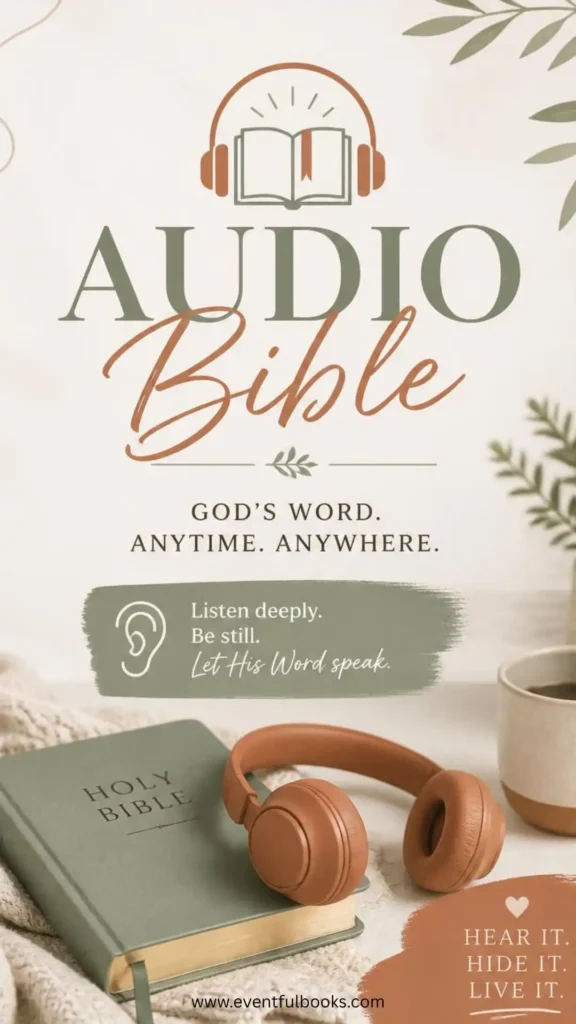
Listening to an audio Bible lets you absorb Scripture through your ears rather than your eyes, making it ideal for auditory learners or anyone wanting to combine Bible time with daily tasks like driving, cleaning, or exercising.
This method removes the biggest barrier for many people — simply finding time to sit down and read.
Tip: choose a dramatized audio Bible with different voices and sound design if you find a single narrator’s voice hard to stay focused on over time.
32. Bible-Based Art and Coloring Books
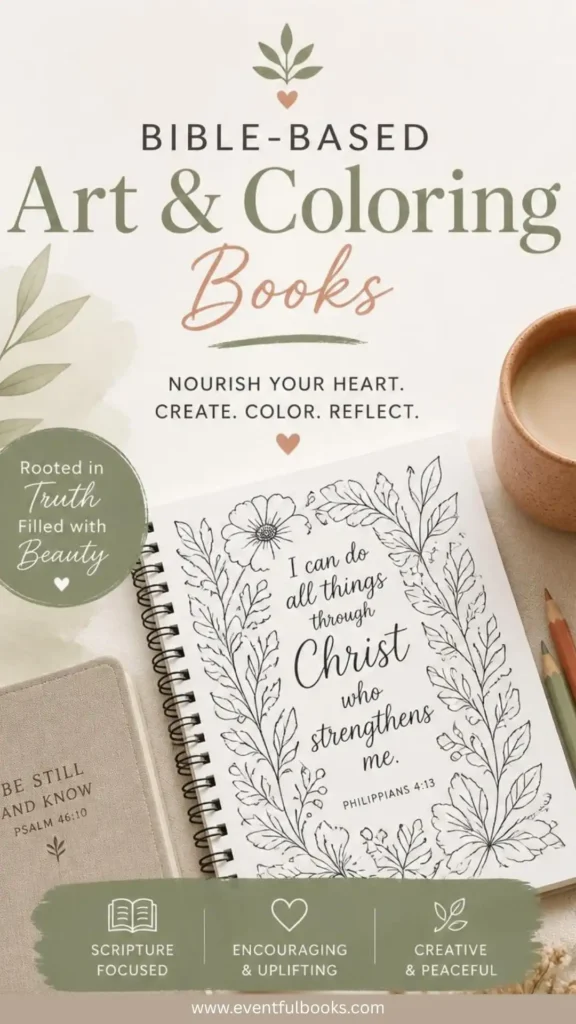
This method uses coloring pages or Bible-themed art centered on specific verses or stories, engaging with Scripture visually rather than only through text.
It’s a relaxing, low-pressure option well suited to visual learners, as well as anyone using Bible time as a way to de-stress and unwind.
Tip: choose a version that includes the actual verse alongside the artwork, so the coloring time doubles as quiet meditation on the words themselves.
33. Drama and Scripture Reenactment
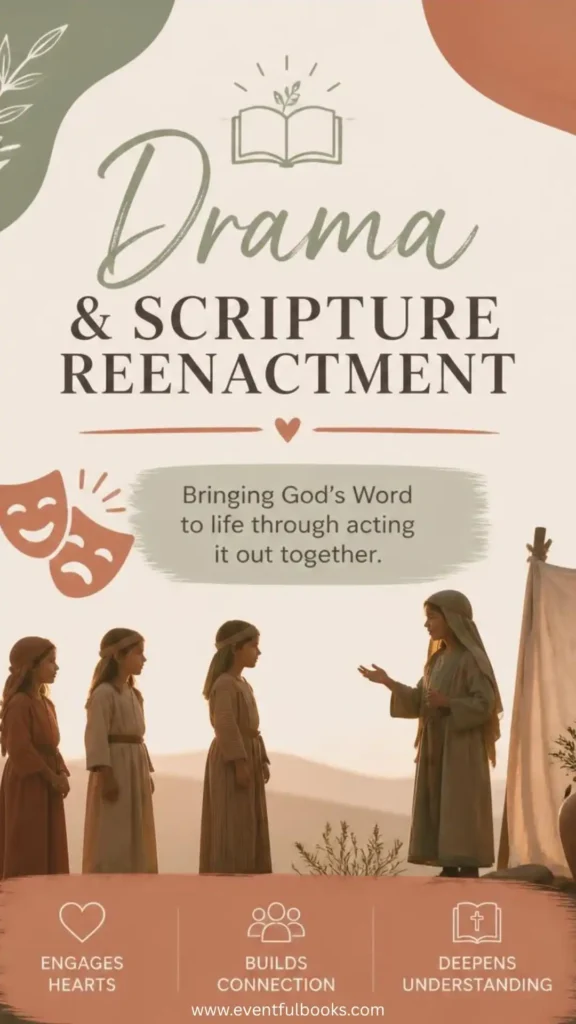
This method brings Bible stories to life through acting them out — often used with kids and youth groups — turning a passage into a scene with characters, dialogue, and action.
It’s especially effective for younger learners and kinesthetic learners who retain information best through movement and physical involvement.
Tip: even with adults, simply reading a passage aloud in different voices for each character can make familiar stories feel fresh and easier to remember.
34. Mapping Bible Geography
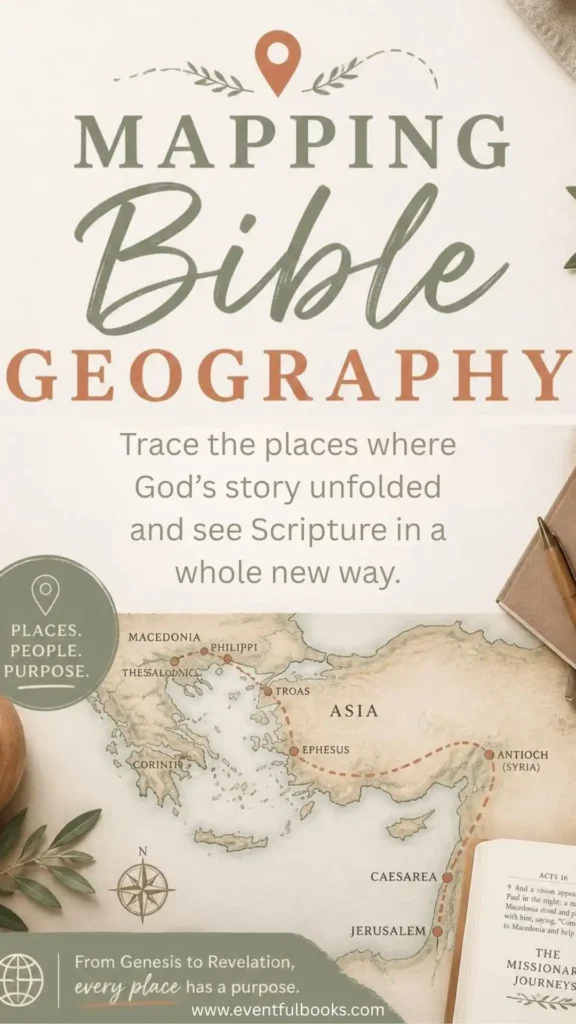
This method involves tracing the actual locations mentioned in Scripture — like Paul’s missionary journeys or the Exodus route — on a map to visualize where events physically took place.
It’s a great fit for readers who think spatially and want to understand the Bible’s historical and geographical reality, not just its ideas.
Tip: a simple Bible atlas or even a printed map with a highlighter is enough to get started — you don’t need anything elaborate to make the story click into place.
Structured Bible Study Curriculum & Tools
For readers who want a clear, ready-made path rather than building their own study plan from scratch, these tools — workbooks, devotionals, courses, and even original language study — offer guided structure at every level of commitment. Whether you have five minutes a day or want to go as deep as seminary-level study, there’s a tool here to match your pace.
35. Bible Study Workbooks
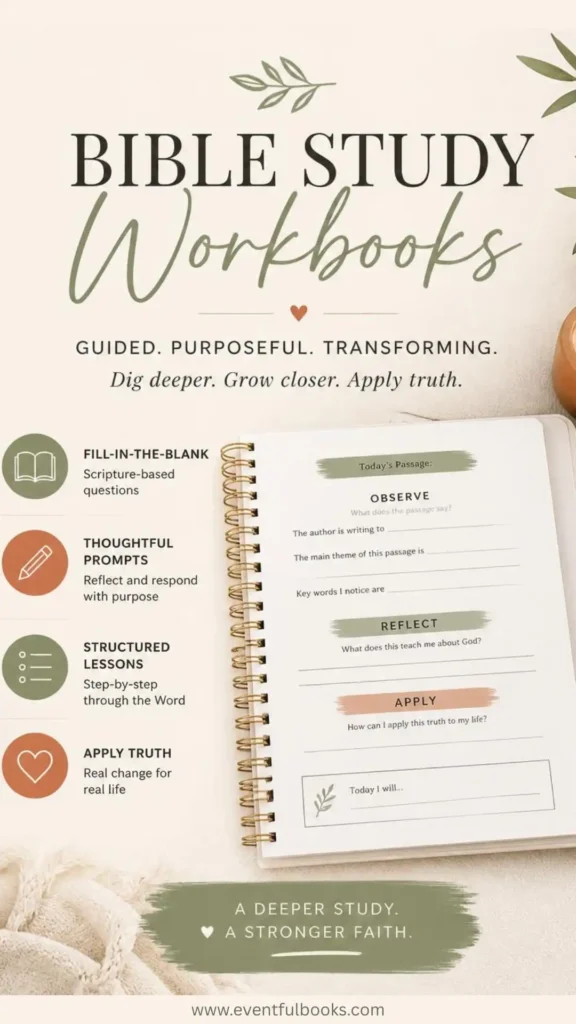
These are guided study guides with fill-in-the-blank questions, prompts, and structured lessons that walk you through a passage or topic step by step.
They’re ideal for readers who want the benefits of deep study without having to design their own approach from scratch.
Tip: choose a workbook tied to a specific book of the Bible rather than a broad topic. If you’re a beginner — start with the first book of the Gospel, The Book of Matthew which follows Jesus life from start to finish.
36. Devotionals
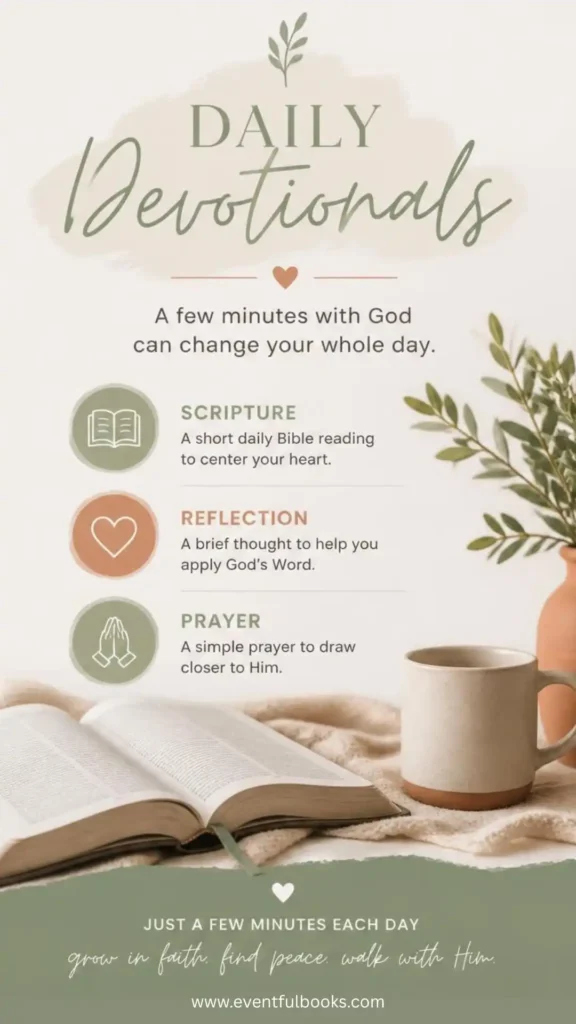
A devotional pairs a short daily Scripture reading with a brief reflection and prayer, designed to be completed in just a few minutes each day.
This method is perfect for readers building a consistent habit, especially those who feel overwhelmed by longer study formats or don’t know where to start.
Tip: keep your devotional somewhere you’ll actually see it each morning — next to your coffee maker or on your nightstand — since visibility is often the biggest factor in whether a daily habit sticks.
37. Online Courses and Seminary-Style Classes
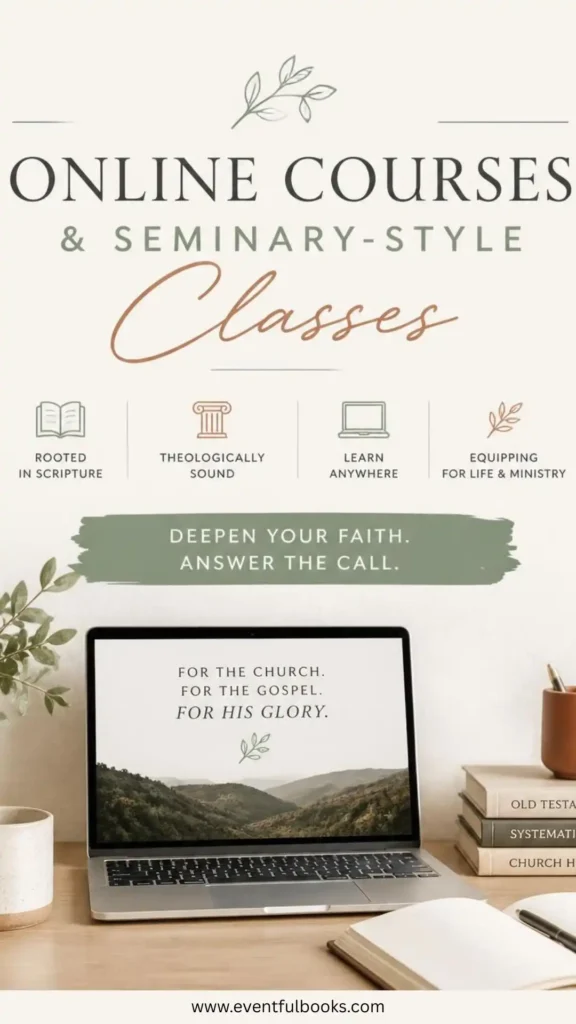
These are structured, academic-style classes — sometimes free, sometimes paid — that teach Scripture with the depth and rigor of formal theological education, often taught by pastors or professors.
This method suits readers who want a genuinely deep, long-term understanding of the Bible and don’t mind a more classroom-like commitment.
Tip: look for free introductory courses from seminaries like Reformed Theological Seminary or Biblical Training before committing to a paid program, so you can test whether the format suits you.
38. Reading the Bible in Its Original Languages
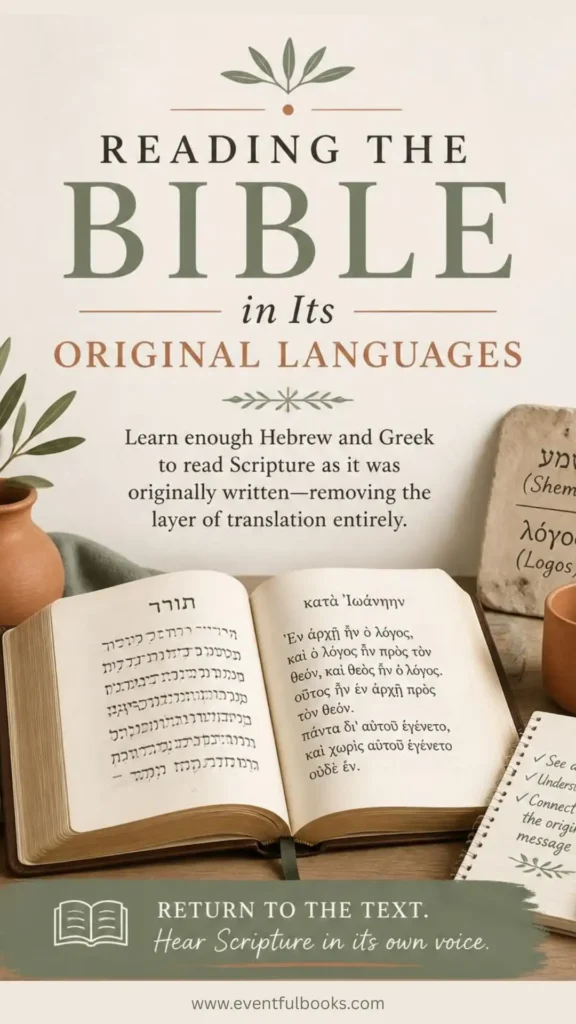
This advanced method involves learning enough Hebrew and Greek to read Scripture as it was originally written, removing the layer of translation entirely.
It’s best suited for serious, long-term learners — often pastors, seminary students, or dedicated lay scholars — who want the most precise possible understanding of the text.
Tip: even without full fluency, learning just the Greek or Hebrew alphabet and a handful of key theological words (like agape or hesed) can meaningfully deepen your understanding of familiar passages.
Yes — skipping around the Bible instead of reading it in strict order is perfectly okay, and it’s actually one of the most common and effective ways people study Scripture.
There’s no rule that says you have to read the Bible from Genesis to Revelation in order to study it well. In fact, many of the most popular methods — topical study, character studies, verse-of-the-day reading — are built entirely around moving through Scripture non-sequentially.
The Bible itself isn’t a single continuous story that only makes sense read start to finish; it’s a collection of 66 different books, written across centuries, in different styles and genres. Following a theme, a person, or your own curiosity from book to book can be just as meaningful as reading straight through — sometimes more so, especially if cover-to-cover reading has caused you to stall out or lose motivation in the past. The best approach is simply the one you’ll actually stick with.
No — a devotional and Bible study are related but not the same thing, and understanding the difference can help you choose the right one for your goals.
A devotional is typically a short daily reading — often just a verse or brief passage paired with a reflection and a prayer — designed to be completed in just a few minutes and to encourage a consistent, low-barrier habit. Bible study, on the other hand, usually involves deeper engagement with the text itself: analyzing the original language, cross-referencing related passages, understanding historical context, or working through an entire book verse by verse.
Neither one is “better” than the other — they simply serve different purposes. A devotional is a great daily rhythm-builder, especially for beginners or busy seasons, while Bible study is better suited for readers who want to dig deeper into meaning, context, and application over time. Many people actually do both, using a devotional for daily consistency and reserving dedicated Bible study time for going deeper on a specific book or topic.
Yes — handwriting Bible verses does appear to help you remember them better than typing, according to research on handwriting and memory more broadly.
Studies on note-taking and learning have consistently found that writing by hand engages the brain differently than typing does — it tends to be slower and more deliberate, which forces you to process and encode the words rather than simply transcribing them quickly.
This slower, more active engagement is thought to strengthen memory formation compared to typing, which often happens on autopilot. For Scripture specifically, this means physically writing out a verse — even just once or twice — can help it stick more firmly than typing it into a notes app or simply reading it silently. It’s a simple, low-cost method that pairs well with other memorization techniques, like reciting the verse aloud after writing it or reviewing your handwritten copy again the next day.
Neither is definitively better — studying the Bible alone and in a group each offer distinct benefits, and most people grow the most by doing both.
Studying alone gives you the freedom to go at your own pace, dwell on what personally speaks to you, and develop a direct, unhurried relationship with the text without needing to coordinate schedules or worry about others’ opinions.
Group study, on the other hand, brings the value of different perspectives, accountability, and the encouragement that comes from wrestling with Scripture alongside other people — often surfacing insights or questions you’d never have arrived at on your own.
Rather than choosing one over the other permanently, many people find a rhythm that includes both: personal daily reading or devotional time for consistency, paired with a weekly small group or Bible study for deeper discussion and community. The right balance really depends on your personality and season of life — some people are energized by group discussion, while others need solitude to process Scripture meaningfully.